RT 100: Sample Splitter
Brand: Retsch | Category: Scientific & Laboratory Equipment
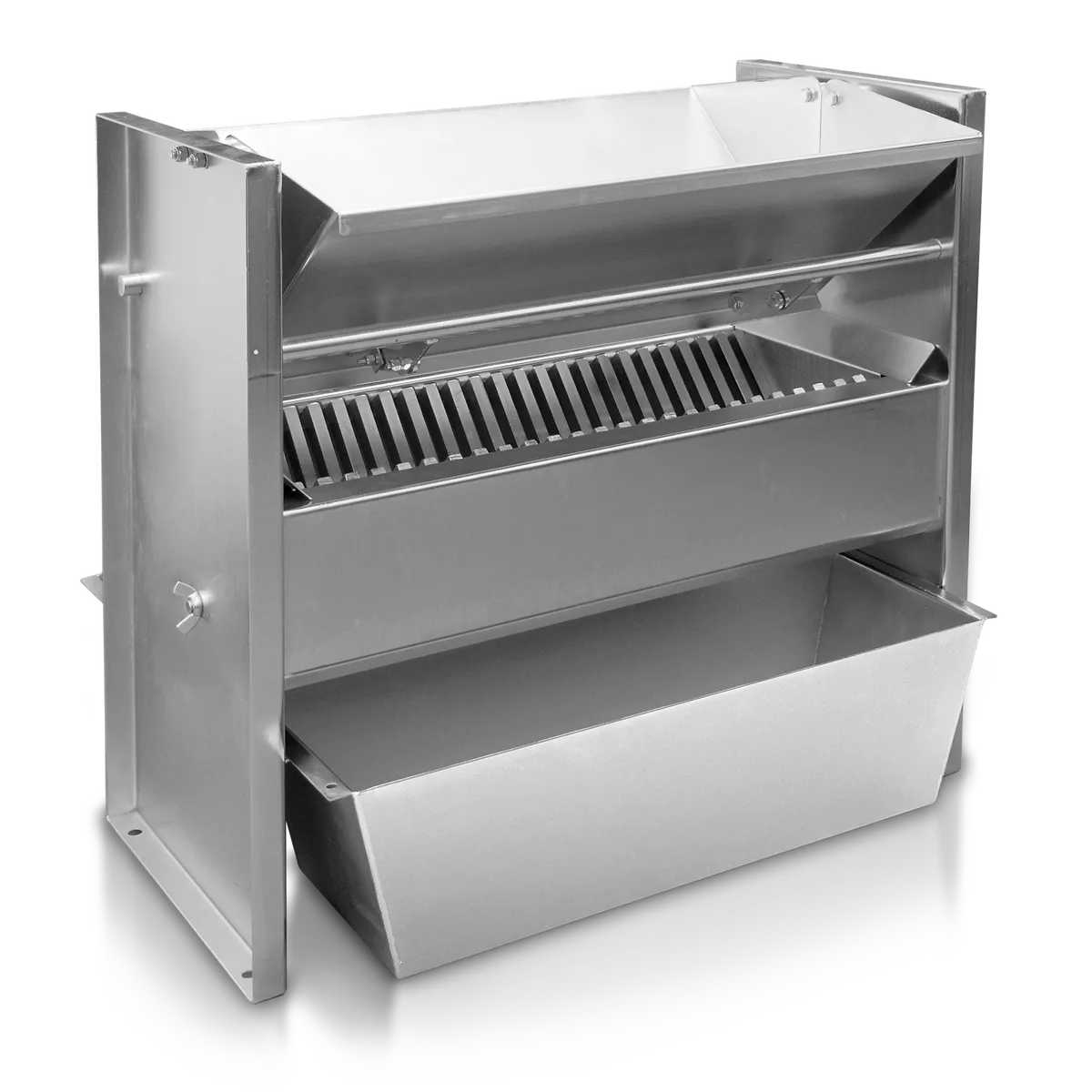
Riffle sample splitter with an adjustable slot width, so one unit covers a range of feed sizes instead of needing a different splitter for each. Slot width is adjustable from 12 mm to 108 mm and it divides the sample in two. It is built for laboratory and on-site use.
Selected manufacturer specifications
| Parameter | Value |
|---|---|
| Material feed size | Slot width adjustable 12 / 24 / 36 / 48 / 60 / 72 / 84 / 96 / 108 mm |
| W x H x D | 72 x 70 x 46 cm |
| Net weight | ~ 55 kg |
Selected manufacturer data. Achievable fineness, throughput and preparation time depend on the sample, grinding tools and operating settings. Named accessories and optional configurations remain separate; confirm the exact equipment and electrical supply in the quotation. Checked 2026-09-29.
Confirm your configuration
Share the details you know so we can prepare a comparable, itemised offer.
- Sample material, dimensions/quantity and required preparation or analysis result
- Measuring/working range, repeatability requirements and compatible accessories
- Utilities, calibration/reference materials, software and service scope
Get a Quote
Request an itemised quotation covering the proposed configuration, availability, lead time and agreed supply and support scope.
Useful details to share
- Intended application, process or teaching activity
- Required capability and equipment it must work with
Share what you know. You can start with your name and a phone number or email; final specifications can follow.
Not sure which configuration you need? Help me choose
Contact Vvon Technologies Limited about Retsch equipment requirements in Bangladesh.
Phone: +8801805987890 | Email: info@vvon.com.bd
Back to Scientific & Laboratory Equipment
More from Soil Mechanics Lab
- PAHSC: Computer Controlled Soil Moisture Suction Sand Unit
A unit for studying water retention in soil in terms of suction. Students derive the relationship between moisture content and suction for a sand sample and obtain the retention curve, which is the basis of unsaturated soil and drainage calculations.
- RT 6.5 to RT 75: Sample Splitter
Riffle sample splitters that halve a sample by passing it through alternating chutes, the classic method described in DIN 51701. The series runs from RT 6.5 to RT 75 with slot widths matched to feed sizes from about 4 mm to 50 mm, and requires no power supply.
- PDFDC: Computer Controlled Drainage and Seepage Tank
A glass sided tank for demonstrating and measuring flow through permeable media and in the subsoil. Piezometers along the tank allow flow nets to be plotted for dams, sheet piles and drains, which is the standard seepage experiment in geotechnics.